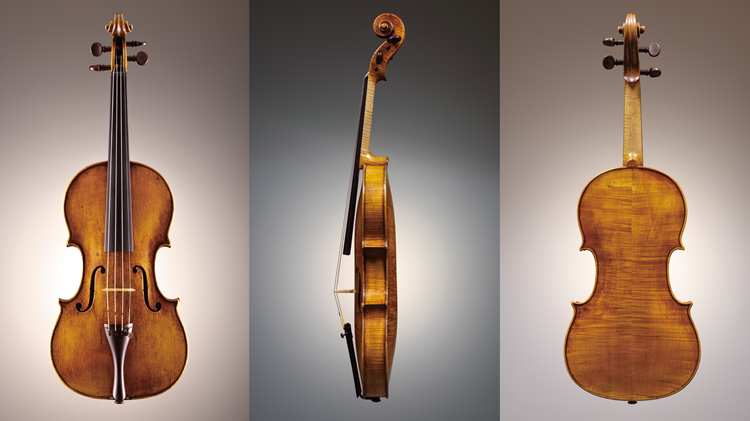
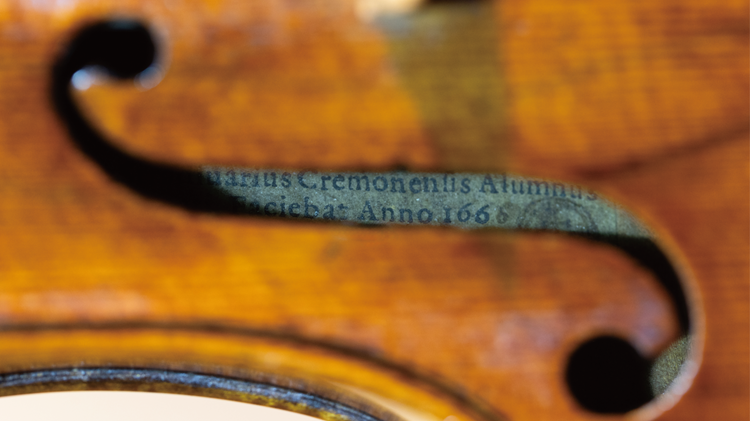
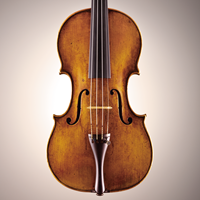
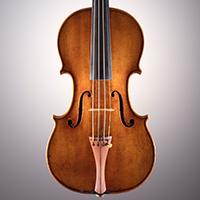
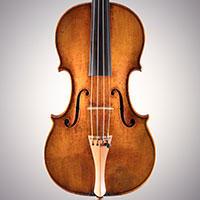
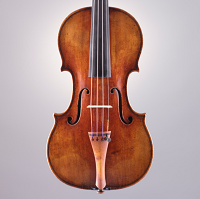
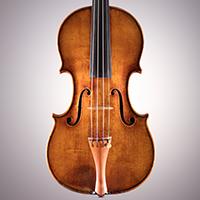
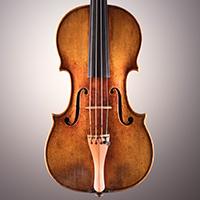
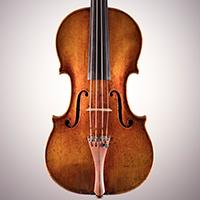
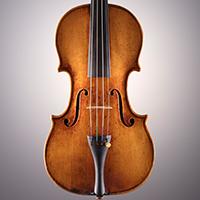
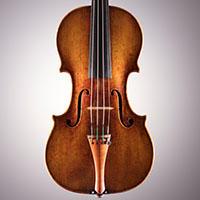
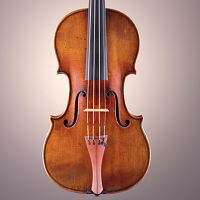
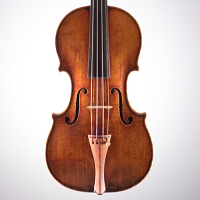
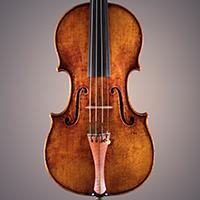
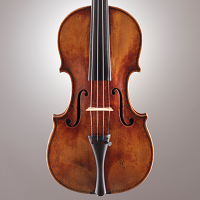
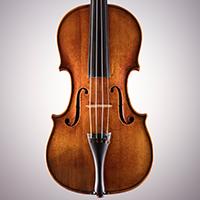
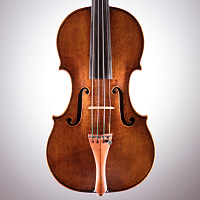
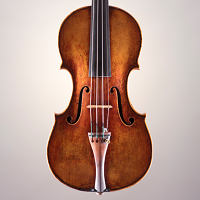
This is believed to be the first violin entirely made by Antonio Stradivari. It remains in a very fine condition, retaining its original label which reads: “Antonius Stradivarius Cremonensis Alumnus Nicolaij Amati, Faciebat Anno 1666.” It is the only known label which provides evidence that Stradivari was the pupil of Nicolo Amati (1596–1684). Vincenzo Lancetti, a Cremonese biographer who was well-acquainted with the violin connoisseur Count Cozio di Salabue, wrote that Stradivari used a label about 1666 bearing the words 'Alumnus Nicolaij Amati' in a list of the various Cremonese violin makers published in 1819. Alfred Hill took photographs of its label in the shop of Paul Serdet, a luthier in Paris, in April 1900 for their book 'Life of Antonio Stradivari'(1902).
The instrument disappeared until 1972, when it was purchased at an auction in Paris and brought to England. Corina Belcea, the first violinist of the Belcea Quartet, played the instrument for their concerts and recordings for ten years before it was exhibited at the Ashmolean Museum’s Stradivarius exhibition in 2013 under the name “Serdet”.
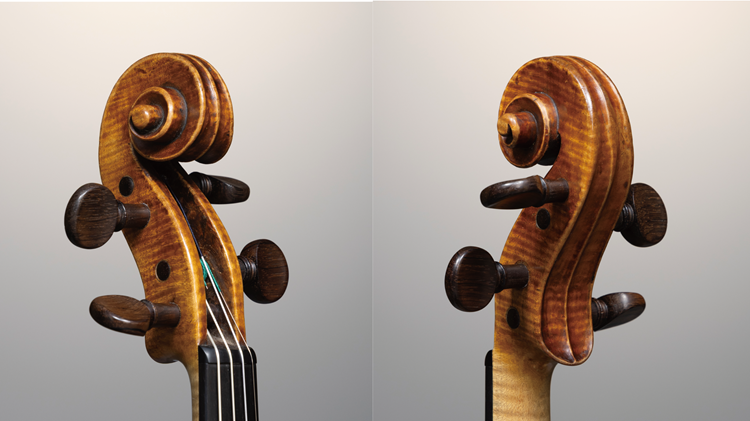
This violin is among the early works that most clearly show the Amatise style, characterized by its elegant form. While it has features indicating signs of inexperience in violin making technique, such as the inelegant arching of the back and the varying details of its corners, it also displays evidence of certain distinct characteristics of Stradivari’s handiwork that would develop later, especially in the sound holes and the scroll. Sasakawa Music Foundation acquired this violin with a contribution from a benefactor in Japan and support from The Nippon Foundation.